Beans and Japanese Comfort Food Lead Whole Foods’ 2027 Forecast
Whole Foods Market, the grocery chain owned by Amazon, published eight food and drink predictions for 2027 on October 14, 2026. Two are easy to try at home. One is a “Bean Boom,” in which beans and lentils move from the side of the plate to the middle. The other is the “Yōshoku Effect,” which brings Japanese comfort dishes such as curry rice into the grocery aisle. This article explains what the list says, what nutrition sources say about beans and fiber, and how to read a store’s forecast with some caution. As of November 8, 2026, the announcement we read still carries its October 14 date.
Key takeaways
- The forecast comes from the store’s own Trends Council. It is a prediction, not a sales report, and it gave no figures to prove the bean trend.
- Whole Foods calls beans affordable, gut-friendly sources of protein and fiber. The health facts in this article come from nutrition sources, not from the store.
- Two health sources hosted by the U.S. National Library of Medicine say American adults eat about 16 to 17 grams of fiber a day. The amounts they list as adequate run from 21 to 38 grams.
- Add fiber slowly, with plenty of fluids. Beans can cause gas in some people.
- You do not need special products to try the idea. Plain beans or lentils will do.
What Whole Foods announced
The announcement was posted on Amazon’s press site. It lists eight trends: terroir (the idea that soil and climate shape flavor), beauty-minded foods the store calls “beautrition,” Japanese comfort food, familiar dishes in new forms, shorter ingredient lists, bitter flavors, a wider “zero waste” approach, and beans.
The predictions come from the Whole Foods Trends Council. The store describes it as its own team members, from foragers and buyers to culinary experts, who draw on their experience, what they see shoppers choosing and their ties to food brands.
That matters. The council works for a retailer, and each trend is paired with named products, some sold by the store itself. A few are listed as arriving in late 2026 or 2027, or as sold only in select stores. We have not checked store shelves, so what you can buy near you may differ.
The Bean Boom: what the forecast says
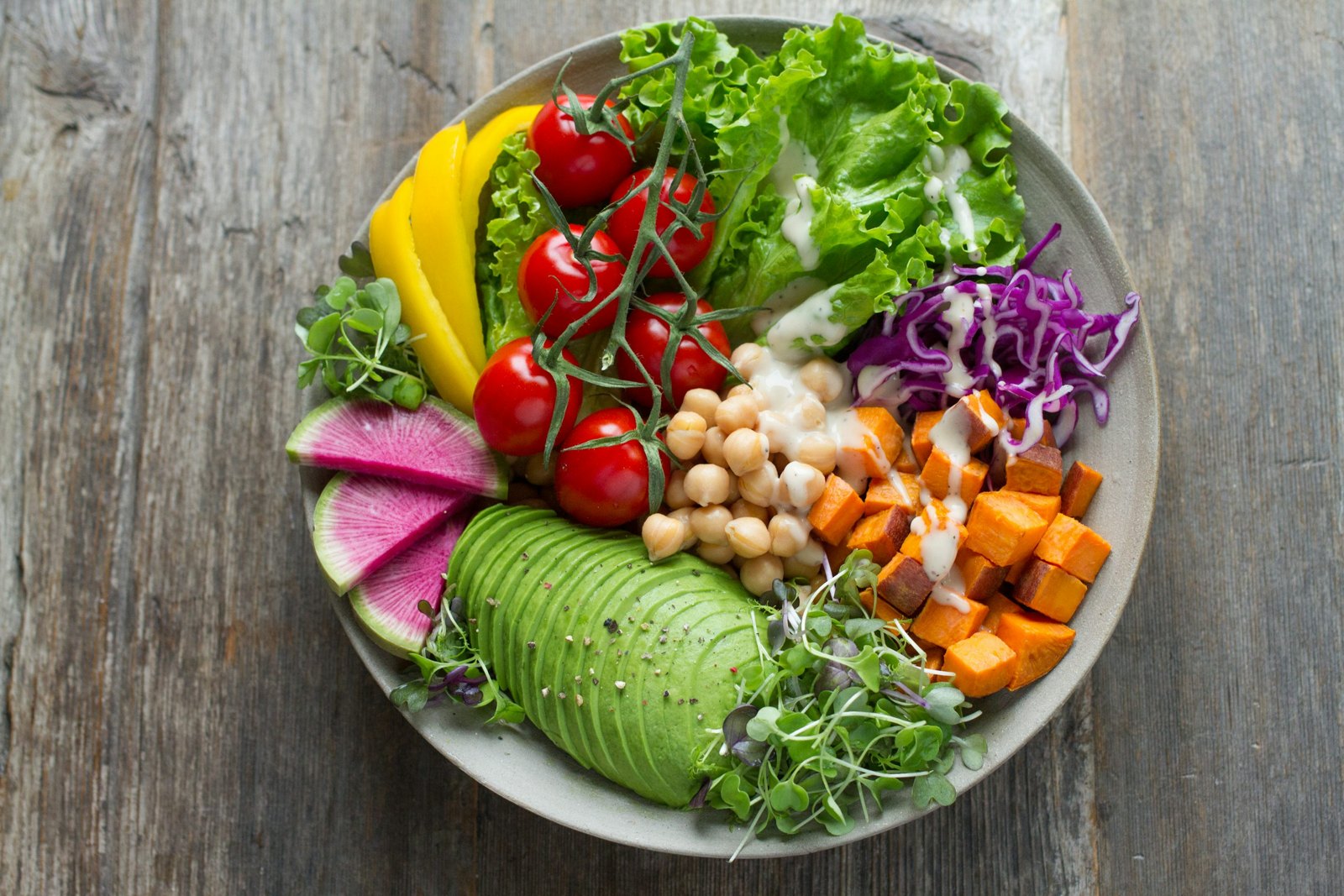
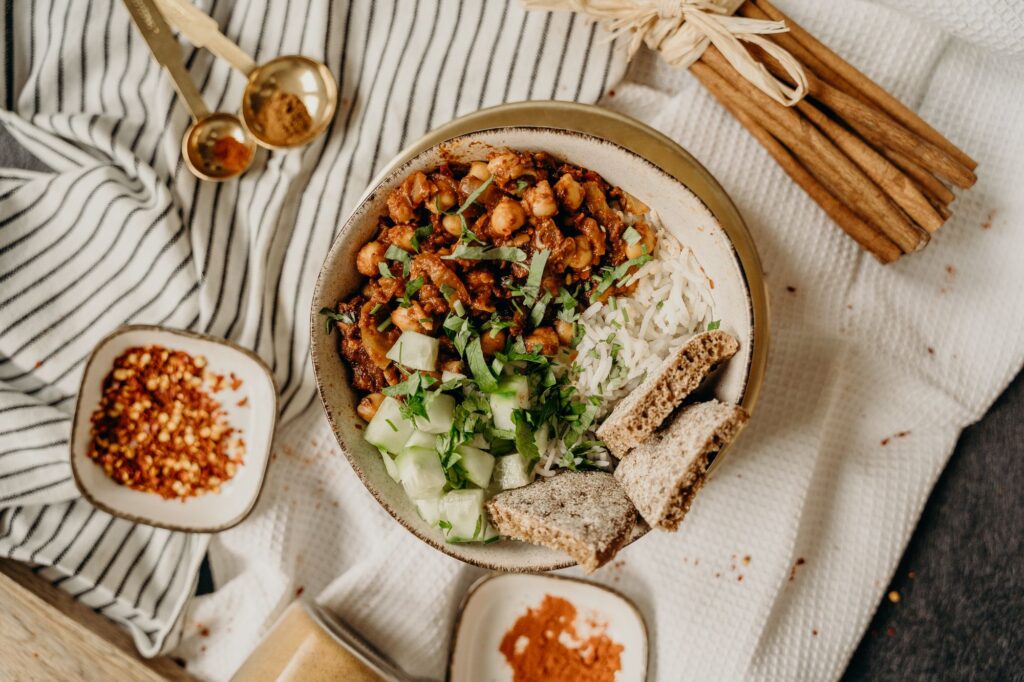
“Beans” here means the dried seeds of the legume family, which also includes lentils, chickpeas and peas. The announcement says beans are moving from side dishes to the center of the plate. Its examples are brothy butter beans, crispy chickpeas, lentil bowls, heirloom bean stews, bean salads and “beans on toast.” It also mentions instant lentil bowls and snacks made from chickpeas, edamame and lupini beans.
The store’s reasons are that beans are affordable and give protein and fiber, and it calls them gut-friendly. It also points to bean subscription clubs and social media videos about beans. The announcement gives no sales numbers, and a trade report the same day repeated the list without comparing it with earlier years. Treat it as an informed guess, not proof that everyone is changing their diet.
For a home cook, the useful part is the idea. A pot of white beans with olive oil and herbs, or a lentil soup, was a good dinner long before 2027.
What nutrition sources say about beans and fiber
What fiber is
Fiber is the part of plant foods that your body does not fully digest. MedlinePlus, the health information site of the U.S. National Library of Medicine, says fiber helps digestion, helps prevent constipation and can make you feel full sooner. It lists dried beans, peas and lentils among the foods that contain it.
How much people eat, and how much is suggested
| Source | What it says | Date shown on page |
|---|---|---|
| MedlinePlus (U.S. National Library of Medicine) | Adults and older children are advised to aim for 21 to 38 grams a day; Americans average about 16 grams | Reviewed July 22, 2026 |
| StatPearls (U.S. National Library of Medicine bookshelf) | Adequate amount of 25 grams a day for adult women and 38 grams for adult men; U.S. adults averaged about 17 grams in 2017 to 2020 | Updated August 26, 2026 |
Neither page gives a separate number for people over 51, so ask your doctor or a registered dietitian what suits you. Neither gives grams of fiber per cup of beans. That varies by type of bean, so the label on the packet or can is your best guide.
What beans may do for health, and what is uncertain
The Harvard T.H. Chan School of Public Health summarizes the research on legumes on its Nutrition Source page. The page shows no publication date, so we cannot say how recent each point is. In brief:
- Beans contain protein, folate, iron, phosphorus and fiber. In plain form they are low in saturated fat and sodium.
- Studies that follow large groups of people link regular bean eating to lower heart disease risk. Small trials found modest gains in cholesterol and blood pressure when beans replaced red meat.
- Evidence on cancer in people is less certain, and type 2 diabetes research is mixed.
Notice the words “link” and “modest.” Foods rarely work like medicine. If you take medicine, manage diabetes or follow a special diet, ask your doctor before making big changes.
Going slowly, and reading labels
Harvard’s page says beans can cause gas, bloating or cramps in some people, and that soaking dried beans for at least three hours before cooking may lessen this. MedlinePlus says a sudden jump in fiber can have the same effect, which often settles as your body adjusts. StatPearls suggests raising your intake by about 2 to 3 grams every few days.
MedlinePlus also suggests about eight glasses of water or other drinks without calories. If your doctor has told you to limit fluids, follow that advice instead.
Harvard also advises reading labels on processed bean products, such as meat substitutes, for added sodium, sugar, saturated fat and additives. “Made from beans” does not automatically mean “good for you.”
Japanese comfort food and bitter flavors
“Yōshoku” means Japanese versions of European and American dishes. The announcement names tonkatsu (a breaded, fried cutlet), spaghetti Napolitan, Japanese curry rice, omelet rice, hamburger steak, katsu and egg sandwiches, and curry bread.
The bitter-flavors trend covers greens such as radicchio, endive and dandelion greens, nonalcoholic drinks inspired by bitter Italian liqueurs, and chocolate with licorice root. The store links it to wider tastes, interest in digestion and the “sober-curious” movement, meaning people choosing to drink less alcohol. Cathy Strange, the store’s Ambassador of Food Culture and a Trends Council member, tied the list to curiosity about where food comes from, openness to bitter tastes and simpler ingredients.
How to try these ideas without overspending
- Start with one new dish a week, not a whole new way of eating.
- Choose plain beans or lentils and season them yourself.
- Compare the sodium figure on canned beans from two or three brands.
- Add beans to a soup or salad you already make before changing the whole dinner.
- Raise fiber over several weeks, and drink fluids unless your doctor says otherwise.
Frequently asked questions
Is the Whole Foods list a survey of what Americans eat?
No. It is a set of predictions from the store’s own team. The announcement gave no survey numbers for the bean trend.
How much fiber should I eat each day?
The two sources above give figures from 21 to 38 grams for adults. Your own amount depends on your age, sex and health, so ask your doctor or dietitian.
Will beans upset my stomach?
They can cause gas or bloating in some people. The sources mention going slowly, soaking dried beans and drinking fluids.
Do I need the products named in the forecast?
No. Bean stew or curry rice can be made from ordinary ingredients. Some named products are sold only in select stores or have yet to launch.
Before you decide
A food forecast can be fun and sometimes useful, but it is also a retailer talking about its own shelves. Take what appeals to you and leave the rest. If you have a health condition, take medicine, or have been told to watch your fiber, sodium or fluids, talk with your doctor or a registered dietitian first.
Sources
- Whole Foods Market Reveals Its Top Food and Beverage Trend Predictions for 2027 – Amazon press center (Whole Foods Market), October 14, 2026
- Whole Foods Market tries to predict food trends for 2027 – Supermarket News, October 14, 2026
- Fiber – MedlinePlus Medical Encyclopedia, U.S. National Library of Medicine
- The Role of Dietary Fiber in Health Promotion and Disease Prevention: A Practical Guide for Clinicians – StatPearls, NCBI Bookshelf
- Legumes and Pulses – The Nutrition Source, Harvard T.H. Chan School of Public Health
Last updated: November 2026. This article is general information, not medical advice.